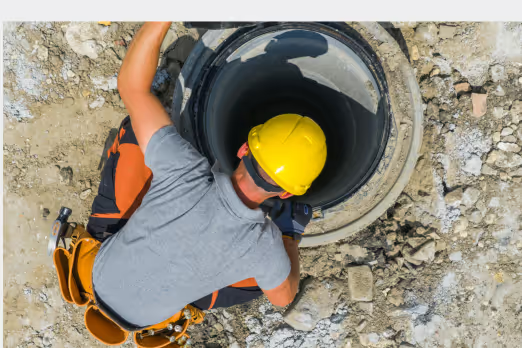

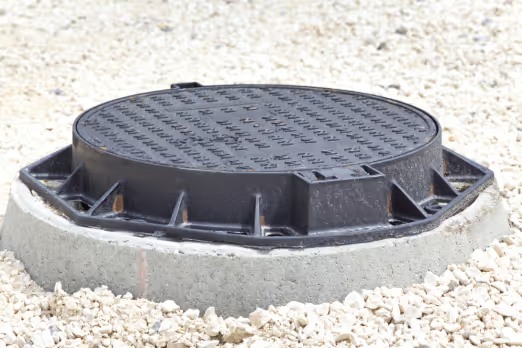
Sewer lid, often overlooked as mundane infrastructure, have undergone a fascinating transformation. Once purely functional, these cast-iron covers have become unexpected canvases for artistic expression, historical storytelling, and even branding. Let’s explore the evolution of sewer lids from simple utility to urban art.
The Functional Beginnings: A Necessity for Infrastructure
Sewer lids date back centuries, with early versions designed to cover underground drainage systems and provide access for maintenance. Their primary role was safety—keeping people from falling into open manholes and preventing debris from clogging stormwater and sewer systems. Without these sturdy covers, city streets would be far more hazardous, posing risks to pedestrians, vehicles, and utility workers alike.
The earliest known sewer covers were made from stone or wood, though these materials were eventually replaced by iron and steel as cities expanded and required stronger infrastructure. During the Industrial Revolution, the demand for more advanced sewage systems grew rapidly, leading to the development of cast-iron sewer lids that could endure the increased weight of horse-drawn carriages, carts, and eventually, motor vehicles. Their distinctive circular shape became the standard due to its structural advantages—it prevents the lid from falling into the manhole and distributes weight evenly, reducing the likelihood of cracks or failures.
As cities modernised, sewer lid designs also evolved to accommodate different environmental conditions. Some covers featured raised patterns to provide traction in wet or icy weather, while others included small vents to release built-up gases from underground systems. Additionally, local governments began standardising materials and weight specifications to prevent theft and ensure longevity.
Though they started as simple, utilitarian objects, these essential pieces of infrastructure laid the foundation for what would later become an unexpected form of urban artistry.
Hidden in Plain Sight: The Overlooked Street Fixtures
Despite their essential role in urban infrastructure, sewer lids often go unnoticed. Positioned at street level and blending into the pavement, they were historically designed for function over form. However, as cities evolved and urban aesthetics gained importance, these everyday objects began to attract more attention.
The Rise of Artistic Sewer Lids: Cities as Open-Air Galleries
For decades, sewer lids were purely functional—designed to be durable, heavy, and slip-resistant. But as cities increasingly embraced the idaea of public spaces as canvases for creativity, manhole covers began to take on a new role as unexpected works of art. Today, these once-overlooked pieces of infrastructure have become celebrated urban features, turning city streets into open-air galleries.
Japan: Pioneering the Art of Manhole Covers
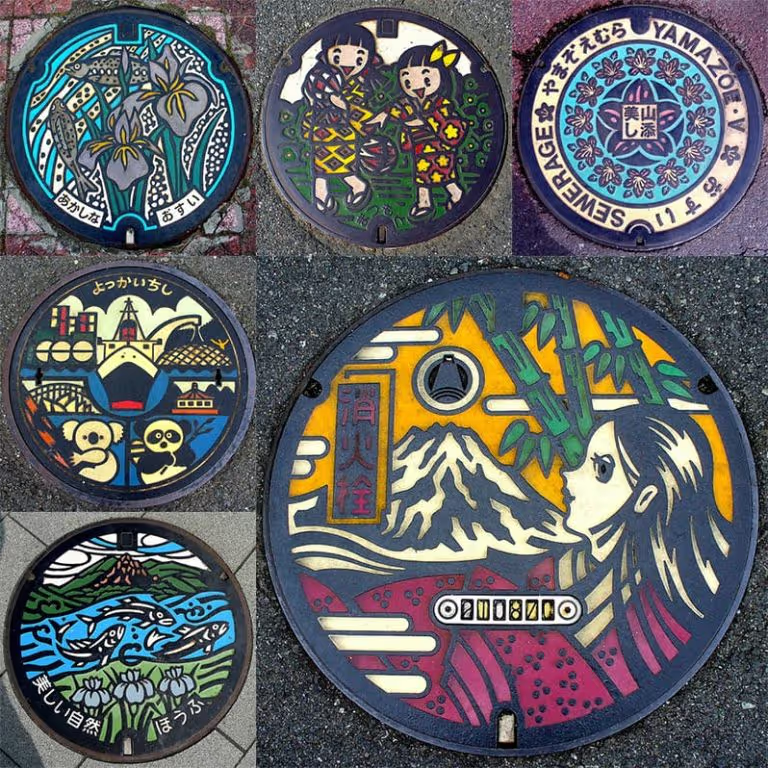
Nowhere is the artistic transformation of sewer lids more evident than in Japan. Since the 1980s, Japanese municipalities have invested in highly detailed, colourful manhole cover designs that reflect local culture, nature, and history. These covers feature everything from cherry blossoms and traditional castles to mascots and anime characters. The phenomenon has even inspired “manhole tourism”, with enthusiasts travelling across Japan to photograph unique designs in different cities. Some local governments have gone as far as producing collectible manhole cover trading cards to further engage the public.
Germany: Blending Heritage and Functionality
Germany has also embraced decorative manhole covers, incorporating historical symbols, city crests, and architectural landmarks into their designs. In cities like Berlin and Dresden, manhole covers depict famous structures such as the Brandenburg Gate or old town maps, creating a sense of place and local identity. These designs don’t just serve an artistic purpose—they also educate pedestrians about the city's rich history with every step they take.

United States: Creativity Meets Branding
In the U.S., artistic manhole covers have been gaining popularity, particularly in cities that prioritise public art initiatives. San Francisco, New York, and Chicago have all experimented with creative designs that incorporate city logos, cultural icons, and even temporary installations by artists. For example, in Seattle, an art initiative commissioned decorative manhole covers featuring Native American motifs, paying homage to the region’s Indigenous heritage. Meanwhile, Nashville and Indianapolis have introduced custom designs that reflect their musical and industrial histories, respectively.

Customisation and Branding: More Than Just Art
Beyond aesthetics, customised sewer lids have become a tool for city branding and identity. Municipalities use them to showcase city emblems, commemorate historical events, and celebrate local heritage. Some cities even produce limited-edition sewer lid designs that attract enthusiasts and collectors. This trend highlights the intersection of infrastructure, marketing, and urban design.
The Future of Sewer Lids: Innovation and Sustainability
Looking ahead, sewer lids are evolving beyond artistry. With smart city initiatives, some covers are integrating sensors to monitor underground conditions, detect flooding, and improve maintenance efficiency. Meanwhile, sustainable materials are being explored to reduce environmental impact while maintaining durability. As urban landscapes continue to innovate, sewer lids will likely remain both functional and artistic symbols of city life.
Sewer lids have come a long way—from simple metal covers to intricate works of art and even smart infrastructure components. The next time you walk over one, take a closer look—you might just be stepping on a piece of history and creativity!
Articles
.jpg)