

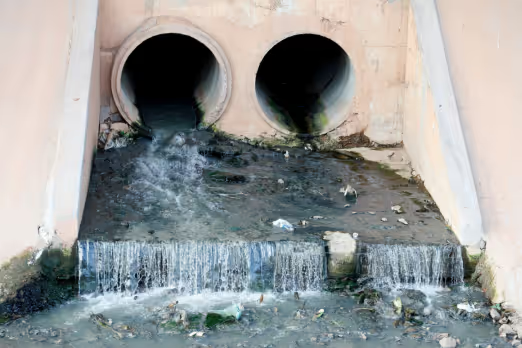
Sewage Definition
Sewage, also known as wastewater, refers to water that has been used in households, industries, and businesses and is discharged through pipes into drainage systems. It consists of a combination of human waste, food scraps, cleaning chemicals, and industrial byproducts.
Sewage can be classified into three main types:
- Domestic Sewage – Wastewater from homes, including toilet waste, bathing water, and kitchen runoff.
- Industrial Sewage – Wastewater from manufacturing and production facilities that may contain hazardous substances.
- Stormwater Sewage – Rainwater runoff that collects debris, chemicals, and pollutants from urban surfaces.
How Sewage is Managed
Proper sewage management is crucial to public health and environmental protection. Wastewater treatment plants (WWTPs) play a key role in filtering contaminants before discharging the treated water back into the environment. The process typically involves:
- Primary Treatment: Physical removal of solids through sedimentation.
- Secondary Treatment: Biological treatment using bacteria to break down organic matter.
- Tertiary Treatment: Advanced filtration and chemical treatment to remove remaining pollutants and pathogens.
Environmental Impact of Sewage
When sewage is not managed properly, it poses significant risks to ecosystems and human health. Some of the key environmental impacts include:
1. Water Pollution - Untreated sewage released into rivers, lakes, and oceans introduces harmful bacteria, viruses, and chemicals. This contamination can lead to the spread of waterborne diseases and disrupt aquatic ecosystems.
2. Oxygen Depletion in Water Bodies - Excess organic matter in sewage promotes bacterial growth that consumes oxygen in water. This process, known as eutrophication, can lead to dead zones where marine life cannot survive.
3. Harm to Aquatic Life - Sewage often contains toxic substances such as heavy metals, pharmaceuticals, and microplastics. These pollutants can bioaccumulate in aquatic organisms, leading to long-term damage to marine ecosystems.
4. Soil Contamination - Improper disposal of sewage sludge, a byproduct of wastewater treatment, can lead to soil degradation if it contains heavy metals and pathogens. This can impact agriculture and groundwater quality.
5. Air Pollution and Greenhouse Gas Emissions - Sewage decomposition produces methane and hydrogen sulphide gases, contributing to foul odors and climate change. Methane is a potent greenhouse gas that exacerbates global warming.
Sustainable Solutions for Sewage Management
To mitigate the environmental impact of sewage, sustainable approaches are essential:
- Improved Wastewater Treatment: Investing in advanced treatment technologies to remove contaminants more effectively.
- Green Infrastructure: Using natural solutions like wetlands and bioswales to filter and absorb pollutants.
- Water Recycling and Reuse: Treating sewage for reuse in irrigation and industrial processes to conserve freshwater resources.
- Public Awareness and Policy Enforcement: Educating communities on responsible wastewater disposal and implementing strict regulations for sewage management.
Conclusion
Sewage management is a critical issue for both public health and environmental sustainability. Proper treatment and responsible disposal can prevent pollution, protect ecosystems, and ensure clean water for future generations. Investing in innovative wastewater solutions is key to minimizing sewage’s adverse effects and creating a more sustainable world.
Articles
.jpg)