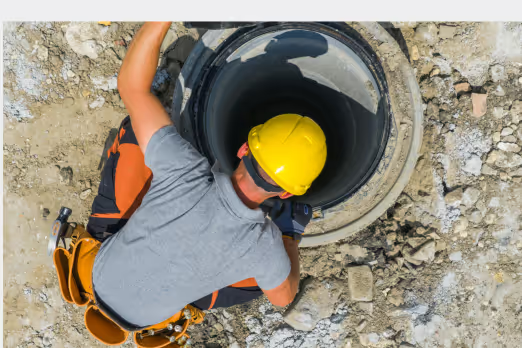


Gravity pipeline laterals play a pivotal role in the efficient functioning of sewer and stormwater systems. These lateral pipes, which connect individual properties to the mainline sewer or stormwater pipes, are often overlooked but are critical for the overall health and performance of the entire pipeline network.
What are Gravity Pipeline Laterals?
Gravity pipeline laterals are small-diameter pipes that connect individual buildings, residences, or properties to the larger mainline sewer or stormwater pipes. They serve as conduits for wastewater or stormwater runoff from individual sources and are typically maintained by property owners or local municipalities.
Why do Pipeline Laterals Need to be Included in Mainline Pipeline Rehabilitation?
When undertaking mainline pipeline rehabilitation projects, it is essential to include lateral pipes in the scope of work for several reasons:
- System Integrity: Including laterals ensures that the entire pipeline system is upgraded or repaired uniformly, minimizing potential weak points that could lead to future failures or leaks in the system.
- Comprehensive Improvement: Addressing laterals alongside mainline pipes ensures comprehensive infrastructure improvement, enhancing the overall efficiency and longevity of the pipeline network.
- Regulatory Compliance: Many municipalities and regulatory bodies require that lateral pipes be included in rehabilitation projects to meet environmental and operational standards.
Potential Consequences of Not Including Laterals in Mainline Pipeline Rehabilitation
Neglecting to address pipeline laterals during mainline rehabilitation can lead to a number of detrimental effects:
- Increased Risk of Failure: Untreated or deteriorating lateral pipes can contribute to blockages or collapses within the mainline system, leading to costly repairs and service disruptions.
- Environmental Impact: Leaking or broken lateral pipes can release wastewater or pollutants into the surrounding environment, posing health risks and environmental damage.
- Legal and Compliance Issues: Non-compliance with regulatory standards regarding lateral maintenance and repair can result in fines, penalties, or legal liabilities for municipalities or property owners.
Examples of Pipeline Lateral Repair Types
There are several methods and technologies available for repairing or rehabilitating pipeline laterals, depending on the specific condition and requirements:
- T-Liners - T-Liners are a trenchless repair method specifically designed for lateral connections. They use a cured-in-place pipe (CIPP) technique to rehabilitate the connection where the lateral pipe joins the main sewer line. The process involves inserting a resin-impregnated liner through the lateral pipe and inflating it to form a seamless, jointless new pipe that extends from the mainline into the lateral. This method is effective in sealing the lateral connection and preventing infiltration and exfiltration.
- Top Hats - Top Hats, also known as T-Hats or Lateral Connection Liners, are another trenchless repair solution for lateral connections. This method involves the use of a preformed hat-shaped liner that is inverted and cured at the connection point of the lateral pipe to the mainline. The "hat" covers the lateral opening, providing a tight seal and restoring the structural integrity of the connection. It is particularly useful for repairing small cracks or breaks at the junction without digging.
- Mechanical Seals - Mechanical seals are used to repair and seal lateral connections by installing a flexible, rubber seal that is expanded and locked into place at the junction of the lateral and mainline pipes. These seals are installed using robotic systems that position and secure the seal, ensuring a watertight connection. Mechanical seals are effective for addressing infiltration and exfiltration issues at the connection point and can be a durable solution for minor structural repairs.
Conclusion
In conclusion, gravity pipeline laterals are indispensable components of sewer and stormwater systems that warrant careful consideration during mainline pipeline rehabilitation projects. Their inclusion ensures the overall integrity, efficiency, and compliance of the pipeline network, safeguarding public health and the environment for years to come. By understanding their significance and employing appropriate repair techniques, municipalities and property owners can effectively maintain and enhance the functionality of their pipeline infrastructure.
Articles
.jpg)