Blog
December 10, 2024
Manhole Inspections: Why Regular Maintenance is Crucial for City Infrastructure



December 10, 2024
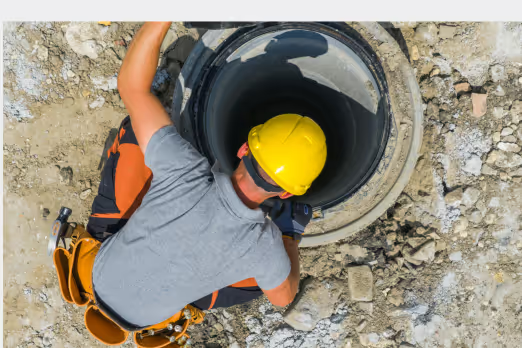
City infrastructure is a complex network of utilities that depend on regular maintenance to operate smoothly. Among its many components, manholes are crucial access points to underground sewer and stormwater systems. Regular inspections of manholes ensure that cities stay ahead of potential problems, extending the lifespan of infrastructure while minimizing disruptions. By incorporating modern tools and techniques, municipalities can conduct more efficient and accurate inspections, ultimately saving time and resources. This blog outlines the importance of manhole inspections and how they contribute to the overall health of city infrastructure.
Manholes are vital access points for inspecting, cleaning, and repairing underground sewer and stormwater systems, ensuring efficient urban infrastructure. They play critical roles beyond maintenance access, including:
Manholes are susceptible to various defects due to factors like traffic loads, environmental conditions, and material aging. Common issues include:
Regular inspections are crucial to identify and address these issues promptly, ensuring the safety and functionality of the sewer infrastructure.
In the United States, there are approximately 20 million manholes, with about 4 million over 50 years old and another 5 million between 30 and 50 years old (Frontiers, 2021). Aging infrastructure increases the risk of deterioration, leading to issues such as infiltration and inflow (I&I), which can overwhelm sewer systems and cause overflows. Implementing regular inspection and maintenance programs can significantly reduce these risks and associated costs.
For creating and implementing a manhole maintenance plan, there are a number of publicly available resources that can assist. For example, according to the EPA's Guide for Optimizing Sanitary Sewer Maintenance, a robust plan begins with a clear framework for routine inspections and prioritization. Manholes should be categorized based on risk factors such as location, age, and history of issues. According to the guide, manholes in high-traffic areas or near water bodies should receive more frequent inspections to prevent public safety hazards and environmental contamination.
The League of Minnesota Cities’ (LMC) Sanitary Sewer Toolkit, another great resource, emphasizes the importance of detailed maintenance policies. Municipalities are encouraged to develop standard operating procedures (SOPs) for inspecting manholes, recording findings, and addressing issues. Using consistent documentation methods helps cities identify recurring problems and plan targeted interventions.
Both resources advocate for transitioning from reactive to proactive maintenance and there are a number of other high-quality guides online that may be useful to consider when implementing your own plan.
Technological advancements have revolutionized how manhole inspections are performed. Traditional manual inspections are now supplemented with innovative tools that increase accuracy and reduce risks. AI-powered systems, for example, can analyze structural conditions and identify potential issues with minimal human intervention.
Robotic devices and drones equipped with cameras can access confined spaces, providing detailed visuals without endangering workers. These tools collect real-time data, which can be stored in digital systems for easy tracking and analysis. By leveraging these modern techniques, municipalities can ensure thorough and efficient inspections.
Manhole inspections are a critical yet often overlooked aspect of city infrastructure maintenance. By addressing structural issues, preventing blockages, and ensuring system functionality, regular inspections safeguard public safety and enhance operational efficiency. The adoption of modern tools and robust maintenance plans can further optimize inspection processes, reducing costs and risks.
Investing in routine manhole inspections is not just about maintaining infrastructure—it’s about future-proofing urban environments. By prioritizing this essential task, municipalities can ensure their cities remain safe, efficient, and resilient for years to come.
.jpg)