Blog
May 26, 2025
Exploring Manhole Inspection Technologies: From Remote Cameras to AI-Powered Condition Assessment


May 26, 2025
Manholes provide critical access to underground infrastructure, yet their condition is often overlooked compared to pipes. With growing demands on asset management and regulatory compliance, manhole inspections have become more crucial than ever. Fortunately, there is a range of technologies that now supports safer, faster, and more detailed manhole assessments.
Manholes are key infrastructure nodes in the underground network, enabling maintenance, ventilation, and emergency access. Structural deterioration, root intrusion, corrosion, and infiltration are all factors that could compromise the integrity of the system if left unchecked. Regular inspections on manholes are essential for:
Detailed and up to date data on manholes can help inform rehabilitation strategies, budget planning, and risk mitigation efforts for asset manager and councils.
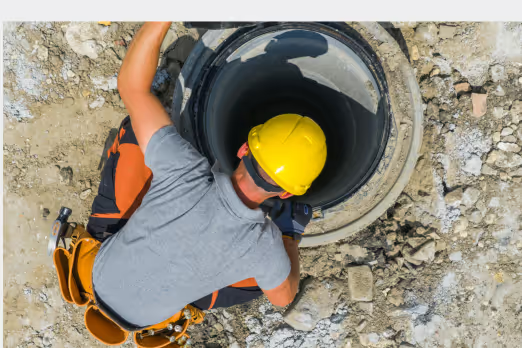
Historically, manhole inspections were performed manually by crews, this would involve entering confined spaces armed with flashlights, clipboards, and basic photographic equipment. Whilst this hands-on approach provided direct access, there was also significant safety risks present, such as exposure to toxic gases, slips, or structural collapse. In addition, the outcomes of an inspection would depend on the individual inspector’s judgement, leading to inconsistent, subjective assessments and limited data for long term planning.
Modern technologies are now enabling safer, faster, and more consistent inspections, which is now allowing teams to gather high quality information whilst minimising risk.
Each method will vary in cost, accuracy, deployment time, and access requirements, but together they represent a major step forward. These tools are enabling a shift from paper-based inspections to data rich, low risk workflows that integrate with asset management systems.
There are various innovative technologies available which supports with manhole inspections, these new ways are eliminating the need to enter manhole chambers. The available options are:
These solutions help to reduce risk, minimise traffic disruption, and support integration with asset databases and GIS systems.

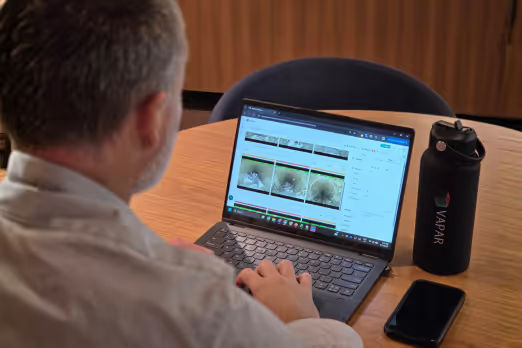
Inspection technology is only a part of the equation, the ability to understand, manage, and act on inspection data is just as important. As the volume of inspection imagery and condition data grows, asset owners require more than just video collection tools. AI-powered platforms are now converting raw footage into actionable insights, enabling smarter infrastructure decisions.
These platforms enable utilities and councils to:
A good example of this in practice is City West Water in Victoria, Australia. They partnered with VAPAR to improve how they managed thousands of pipe and manhole inspections. By leveraging VAPAR’s AI-powered platform, they were able to:
This approach enabled City West Water to shift from reactive to proactive maintenance approach, freeing up internal resources and supporting more accurate, evidence-based capital works planning.
With an expanding range of manhole inspection tools and methods available, selecting the right approach isn’t about chasing the latest trend, it’s about understanding the unique characteristics of your network. Factors such as manhole depth, structural condition, traffic access, safety risk, inspection frequency, and available budget will all influence which tools and methods will deliver the best outcomes for you.
For some networks, a basic pole camera setup may provide the insights required for routine monitoring. Others may require high resolution 3D laser scanning or drone-based assessments to support with complex or hazardous environments. The integration of AI and cloud based platforms will further enhance value by enabling defect grading, centralised data storage, and data-driven rehabilitation planning.
Whether you’re trialling new technology on a pilot programme or scaling a city wide remote inspection strategy, the goal remains the same: to improve asset visibility, extend the infrastructure lifespan, and minimise the risk of unexpected failures.
Councils, utilities, and engineering consultants that proactively invest in these technologies are not just modernising their workflows, they are building resilience into their networks as well as reducing lifecycle costs, strengthening regulatory compliance, and most importantly, ensuring reliable service delivery for the communities they serve today and into the future.
.jpg)