
When working with underground piping systems—whether for stormwater, sewer, or drainage—the term "invert level" often comes up. Understanding this concept is crucial for engineers, contractors, and asset managers to ensure the proper function and efficiency of these systems. In this blog, we’ll break down what the invert level is, why it matters, and how it impacts pipeline design and maintenance.
What Is the Invert Level of a Pipe?
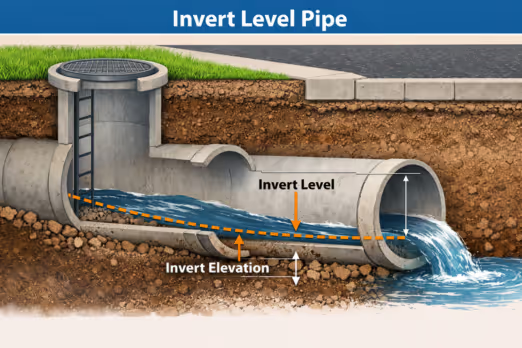
The invert level of a pipe refers to the lowest interior point of the pipe, essentially the bottom inside surface. It is measured relative to a reference point, typically in relation to sea level or a site-specific datum. The invert level helps us determine the slope of a pipe, which is a key factor in ensuring proper flow within the system.
Why Is the Invert Level Important?
- Flow Management - Properly calculated invert levels help maintain the correct gradient for gravity-fed systems, ensuring efficient flow and preventing blockages.
- Hydraulic Performance - An incorrect invert level can lead to stagnant water, increased sedimentation, or even reverse flow, negatively affecting the system’s hydraulic performance.
- Interconnectivity - When designing or upgrading infrastructure, matching invert levels between different pipes is essential for smooth transitions and avoiding disruptions.
- Construction Accuracy - Engineers and contractors rely on precise invert level measurements during installation to prevent costly errors and rework.
- Asset Management and Maintenance - Understanding invert levels aids in assessing pipeline conditions, scheduling maintenance, and diagnosing potential issues before they escalate.
How Is the Invert Level Measured?
Invert levels are typically determined using survey equipment such as laser levels, total stations, or GPS-based instruments. The process involves:
- Establishing a benchmark elevation above ground
- Measuring the depth from the benchmark to the bottom inside surface of the pipe.
- Recording the data to ensure accurate installation and future reference.
Practical Applications in Pipeline Projects
1. Stormwater and Sewer Design
In stormwater and sewer systems, ensuring proper invert levels is critical for maintaining self-cleansing velocities and preventing debris buildup. A well-designed gradient/slope helps reduce maintenance costs and enhances system longevity.
2. Rehabilitation and Repairs
When replacing or rehabilitating existing pipes, knowing the invert levels of adjoining pipes ensures seamless integration and prevents unwanted flow disruptions.
3. Construction and Excavation Planning
During excavation, contractors need accurate invert level data to ensure proper trench depth and alignment, reducing the risk of misalignment or costly adjustments.
Summary
The invert level of a pipe is a fundamental parameter in pipeline engineering, affecting everything from flow efficiency to long-term maintenance. Whether designing a new system or maintaining existing infrastructure, understanding and accurately measuring invert levels is essential for optimal performance. By ensuring correct invert levels, engineers and asset managers can enhance system reliability, reduce maintenance costs, and improve overall efficiency.
Articles
.jpg)