Blog
December 7, 2024
How Inflow and Infiltration Contribute to Wastewater Challenges in Modern Cities


December 7, 2024
As cities continue to grow and urban infrastructure ages, managing wastewater systems becomes an increasingly complex and pressing challenge. Among the various issues that modern cities face, inflow and infiltration (I&I) stand out as persistent problems with far-reaching consequences. These processes involve the unwanted introduction of excess water—often from stormwater, groundwater, or faulty plumbing—into sewer systems, overburdening their capacity and creating a cascade of operational and environmental challenges.
The impacts of inflow and infiltration extend beyond mere system inefficiencies; they can lead to costly repairs, environmental pollution, and public health risks. For municipalities grappling with aging infrastructure and limited budgets, the strain caused by I&I underscores the need for innovative solutions and proactive management strategies. In this article, we delve into the root causes of inflow and infiltration, examine their effects on urban wastewater systems, and explore proven strategies to mitigate their impact. By addressing these challenges head-on, cities can not only enhance the resilience of their wastewater infrastructure but also safeguard public health and ensure environmental sustainability for future generations.
The presence of excessive water in sewer systems creates a range of challenges that can impact public health, environmental quality, and municipal budgets. Here are some of the primary ways inflow and infiltration strain wastewater infrastructure:
Reduced Treatment Capacity
When inflow and infiltration add significant volumes of water to sewer systems, they reduce the capacity available for handling actual sewage. This can lead to backups, overflows, and, in severe cases, untreated wastewater discharges. In densely populated urban areas, the consequences of reduced treatment capacity can be particularly severe, as even brief periods of overflow can pose public health risks and disrupt local ecosystems.
Increased Operational Costs
Every gallon of water entering the wastewater system must be treated, whether it’s wastewater or relatively clean stormwater or groundwater. This unnecessary treatment increases operating costs, often significantly, for municipalities, especially when I&I levels are consistently high. Treatment facilities may also experience additional wear and tear, leading to more frequent maintenance and potentially costly upgrades.
Environmental and Public Health Risks
Overflow events, which occur when sewer systems become overwhelmed by excessive water, can release untreated or partially treated wastewater into nearby rivers, lakes, or oceans. This not only pollutes water sources but also threatens wildlife and poses serious risks to public health. Urban areas close to sensitive natural habitats or public recreation sites are especially vulnerable to the impact of these overflow events.
Accelerated Infrastructure Deterioration
Inflow and infiltration increase the load on wastewater systems, accelerating the wear and tear on pipes, pumps, and treatment facilities. Over time, this added stress can lead to more frequent breakdowns and shorten the overall lifespan of critical infrastructure. For cities with aging sewer systems, the cumulative effect of I&I can necessitate costly emergency repairs or, in some cases, total system overhauls.
Strategies for Reducing Inflow and Infiltration in Urban Areas
Addressing I&I in urban environments requires a proactive approach that combines advanced technology, public engagement, and infrastructure upgrades. Here are some effective strategies for managing inflow and infiltration:
Routine Inspections and Maintenance
Conducting regular inspections using CCTV and other monitoring tools can help cities identify problem areas in their sewer systems. Early detection of cracks, leaks, and other issues allows municipalities to carry out timely repairs and prevent minor I&I problems from escalating.
Pipe Rehabilitation and Replacement
Rehabilitating damaged pipes through methods such as relining or trenchless technology can reduce infiltration by restoring the structural integrity of aging sewer lines. In high-risk areas, replacing older pipes with newer, more durable materials can also be a long-term solution to persistent infiltration issues.
Manhole Sealing and Upgrades
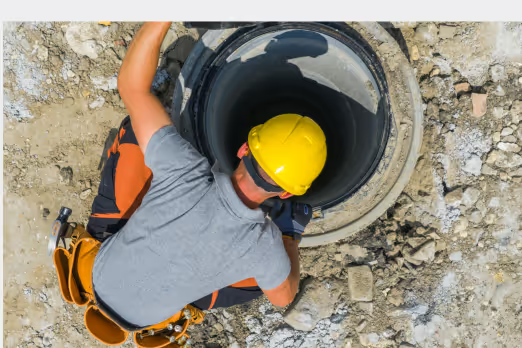
By sealing manhole covers and using watertight materials, cities can prevent stormwater from entering through these common inflow points. Replacing outdated or poorly fitting manhole covers can further reduce inflow, particularly during heavy rainfall.
Public Awareness Campaigns
Educating property owners about the impact of improper plumbing connections can go a long way in reducing inflow. Many property owners may not be aware that their downspouts or sump pumps are contributing to the sewer load. Encouraging regular property inspections and providing clear guidance can help reduce unintended inflow contributions.
Leveraging Data and AI for Predictive Analysis
Cities can now use data and artificial intelligence (AI) to monitor I&I patterns and predict potential problem areas. By analyzing data from sensors and historical inspections, municipalities can identify high-risk locations and prioritize repairs. This predictive approach helps optimize resources and prevent expensive emergency interventions.
Inflow and infiltration (I&I) are not just technical issues confined to wastewater management—they are challenges that directly impact the sustainability, resilience, and livability of modern cities. The excessive strain they place on sewer systems can result in higher operational costs, increased environmental risks, and significant public health concerns, especially in urban areas where populations continue to grow and infrastructure ages.
Addressing these challenges requires more than just reactive measures. Cities must adopt proactive, multifaceted approaches that combine advanced technology, regular maintenance, public engagement, and strategic investments in infrastructure upgrades. From leveraging artificial intelligence for predictive analysis to educating communities on proper plumbing practices, a broad spectrum of solutions exists to mitigate the effects of I&I.
However, reducing inflow and infiltration is not solely about extending the lifespan of wastewater systems or avoiding emergency repairs. It’s also about building cities that are prepared to face the challenges of urbanization and climate change. Proactively managing I&I enables municipalities to reduce their environmental footprint, safeguard water resources, and protect public health while optimizing financial resources.
As urban areas continue to expand, the importance of addressing I&I will only grow. By prioritizing sustainable wastewater management practices today, cities can lay the foundation for a future where critical infrastructure supports not only population growth but also a healthier, more resilient environment. The path forward demands commitment, collaboration, and innovation to ensure urban wastewater systems remain robust, efficient, and capable of meeting the demands of tomorrow.
.jpg)