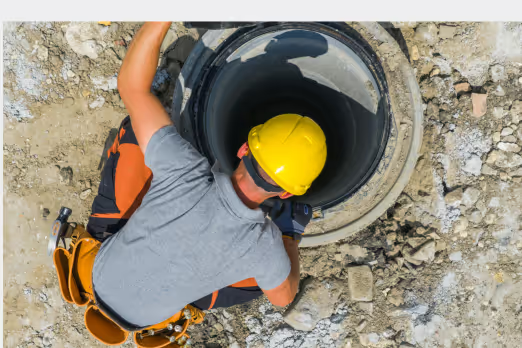


Concrete sewer inspection covers are essential components of modern sewer systems. These covers provide access points for inspection, maintenance, and repair while ensuring safety and structural integrity. This blog explores the key benefits, challenges, and best practices associated with concrete sewer inspection covers.
Key Benefits of Concrete Sewer Inspection Covers
Concrete sewer inspection covers offer a range of advantages that make them a popular choice for urban and industrial infrastructure:
- Durability and Strength: Concrete is highly durable, capable of withstanding heavy loads and environmental stress, making it ideal for high-traffic areas.
- Cost-Effective: With low manufacturing and maintenance costs, concrete covers are a budget-friendly option for municipalities and private operators.
- Customizability: Concrete covers can be designed to fit specific dimensions and requirements, providing flexibility for diverse applications.
- Environmental Compatibility: Made from natural materials, concrete is environmentally friendly and can be recycled at the end of its life.
Common Challenges with Concrete Sewer Covers
Despite their benefits, concrete sewer inspection covers come with challenges that need to be managed effectively:
- Weight and Handling: The heavy weight of concrete covers can make installation and maintenance cumbersome without proper equipment.
- Cracking and Degradation: Over time, exposure to water, chemicals, and freeze-thaw cycles can cause cracking or erosion in the material.
- Sealing Issues: Improper fitting or sealing of concrete covers can lead to water infiltration, odours, or structural instability.
- Limited Theft Deterrence: While not as prone to theft as metal covers, their bulkiness might still make them a target for unauthorized removal in some scenarios.

Best Practices for Installing Concrete Sewer Covers
To ensure the longevity and optimal performance of concrete sewer inspection covers, it is essential to follow a set of best practices during installation and maintenance. By addressing potential issues proactively, these practices help minimize wear and tear, enhance safety, and ensure the covers function as intended.
Accurate Sizing - One of the most critical aspects of installing concrete sewer covers is ensuring they are sized precisely to fit the access points they are meant to secure. Improperly sized covers can result in gaps or loose fittings, which may compromise the structural integrity of the system or allow network odour to escape. Accurate measurements and adherence to standardized dimensions reduce the risk of misalignment, ensuring that the cover sits securely and prevents issues such as water infiltration or unintended displacement during use.
Proper Installation Equipment - Due to their substantial weight, concrete covers require the use of appropriate machinery or lifting tools during installation and removal. Attempting to handle these heavy covers manually can pose serious safety risks for workers, including injuries from strain or improper lifting techniques. Equipment such as cranes, hoists, or specialized lifting devices not only ensures worker safety but also reduces the time and effort required to position the covers accurately, making the installation process more efficient.
Regular Maintenance - Routine inspections are essential to maintaining the functionality and safety of concrete sewer covers. Over time, covers may develop cracks, wear, or misalignment due to environmental exposure or frequent use. Regular assessments allow operators to identify these issues early and implement repairs or replacements before they escalate into larger problems. Maintenance schedules should include checks for structural integrity, fit, and sealing to ensure the covers remain in optimal condition.
Sealing Solutions - Proper sealing is crucial to preventing leaks and maintaining the structural integrity of sewer systems. High-quality sealing materials, such as rubber gaskets or polymer-based compounds, provide a tight and durable barrier that prevents water infiltration, odor escape, and structural degradation. The sealing process should be carried out with precision, ensuring a snug fit between the cover and the access point. Regularly checking the condition of the seals and replacing them as needed can significantly enhance the system’s resilience and lifespan.
By adhering to these best practices, operators can maximize the effectiveness of concrete sewer inspection covers, minimize maintenance costs, and extend the life of the overall infrastructure. Proper installation and consistent maintenance not only ensure the safety and functionality of these covers but also contribute to the efficiency and reliability of sewer systems.
Conclusion
Concrete sewer inspection covers are a vital element of sewer infrastructure, offering durability, functionality, and cost-efficiency. While they present challenges like weight and potential degradation, these can be mitigated through proper installation, maintenance, and the adoption of modern innovations. By understanding the benefits, addressing the challenges, and implementing best practices, stakeholders can ensure these covers meet the demands of evolving sewer and stormwater systems, contributing to a safer and more sustainable infrastructure.
Articles
.jpg)