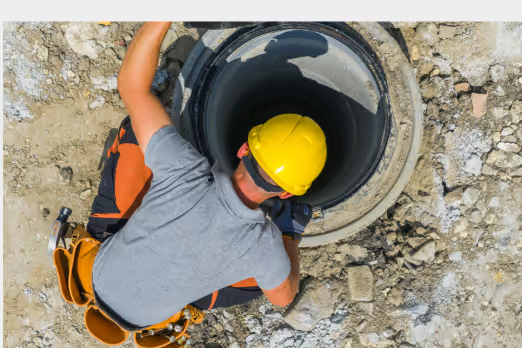

Maintaining and inspecting concrete drainage pipes is crucial for ensuring their long-term performance and preventing issues that could lead to costly repairs or environmental damage. Regular maintenance and inspections help identify potential problems early, allowing for timely interventions. Here’s a comprehensive guide on how to maintain and inspect concrete drainage pipes:
Importance of Regular Maintenance and Inspection
Regular inspections help detect debris, sediment buildup, and other materials that could block the pipes, ensuring that water flows smoothly through the drainage system. Additionally, proactive maintenance can significantly extend the lifespan of concrete drainage pipes by preventing small issues from becoming major structural problems. Regular checks can also identify cracks, joint failures, or other structural issues that could compromise the pipe’s ability to function effectively.When concrete pipes are used in the sewer network, inspection and maintenance activities are even more important due to the presence of hydrogen sulfide (H₂S) gas in sewer networks. H₂S is a corrosive gas that can form in sewer environments, leading to the deterioration of concrete through a process known as biogenic sulfide corrosion. To mitigate this risk, regular monitoring of H₂S levels is essential, along with the implementation of control measures such as chemical dosing, ventilation, or the use of corrosion-resistant materials. Effective H₂S management helps prolong the lifespan of concrete pipes and ensures the reliability of wastewater infrastructure.
Inspection Techniques
Proper inspection techniques are crucial for maintaining the integrity of sewer and drainage systems. Inspections can be performed externally or internally, with some requiring the use of specialized tools.Below are a list of examples that are commonly used in the industry, but it by no means an exhaustive list of your inspection options.
- Visual Inspection: External Inspection (exposed pipes): Regularly inspect the exterior of exposed pipes for visible signs of damage, such as cracks, corrosion, or spalling (chipping or flaking of the concrete surface). This is mainly recommended for exposed pipes, as opposed to underground pipes. Internal Inspection: For underground or enclosed pipes, a visual inspection can be done using specialized tools like remote-controlled cameras or robotic crawlers that navigate through the pipes to capture images and videos of the interior.
- CCTV Inspection: Closed-Circuit Television (CCTV): CCTV inspections involve inserting a camera into the pipe to provide a detailed view of the interior. This method is effective for identifying blockages, joint misalignment, and cracks not visible from the outside or where person-entry into pipe is not feasible.
- Ultrasonic Testing: Sound Waves: Ultrasonic testing uses high-frequency sound waves to detect internal defects or changes in material properties. This method is useful for identifying cracks or voids within the concrete that may not be visible on the surface.
- Ground Penetrating Radar (GPR): Subsurface Inspection: GPR is a non-invasive method that uses radar pulses to detect subsurface anomalies in buried pipes. It can identify issues such as voids, cracks, or soil erosion around the pipe.
- Pressure Testing: Leak Detection: Pressure testing involves filling the pipe with water or air and monitoring the pressure levels to detect leaks or breaches in the pipe.
Maintenance Practices
Maintaining the health of your pipes is crucial for a well-functioning pipe network. There are various methods for clearing blockages, repairing damage, and protecting against corrosion and root intrusion. From high-pressure hydro jetting to advanced corrosion prevention techniques, these solutions ensure your pipes stay clear, strong, and long-lasting and you should consult your local service providers for the most appropriate solution for your area.1.Cleaning and Clearing Blockages:
- Hydro Jetting: This technique involves using high-pressure water jets to clear debris, sediment, and other obstructions from the interior of the pipes. It is effective for maintaining smooth water flow and preventing blockages.
- Mechanical Cleaning: In cases where hydro jetting is insufficient, mechanical cleaning tools such as rodding machines or bucket machines can be used to remove stubborn blockages.
2. Repairing Cracks and Joint Failures:
- Crack Sealing: Small cracks can be sealed with specialized grout or epoxy injection to prevent further deterioration and water infiltration.
- Joint Repairs: Damaged or misaligned joints can be repaired using joint wraps, seals, or by installing joint repair clamps to restore the integrity of the pipe.
3. Corrosion Protection:
- Protective Coatings: Applying protective coatings, such as epoxy or polyurethane, to the interior and exterior surfaces of the pipe can prevent chemical corrosion, particularly in areas with aggressive soils or industrial waste. Protective coating technology is constantly improving and evolving. Your local service provider will have the lastest information.
- Cathodic Protection: For pipes exposed to corrosive environments, cathodic protection systems can be installed to prevent corrosion by reducing the electrochemical reaction that causes it.
4. Root Management:
- Root Intrusion Prevention: Roots from nearby trees and plants can infiltrate pipes through small cracks or joints, leading to blockages and damage. Regular root removal/cutting programs may work out to be an expensive exercise, so you might want to consider root barriers or the regular application of chemical root inhibitors.
Conclusion
In conclusion, maintaining and inspecting concrete drainage pipes is vital for ensuring their durability and optimal performance. Regular inspections help detect and address issues such as debris buildup, cracks, and corrosion before they escalate into costly problems. Employing techniques like visual inspections, CCTV, and ultrasonic testing allows for comprehensive monitoring of both the exterior and interior conditions of the pipes. Additionally, proactive maintenance practices such as cleaning, repairing, and corrosion protection are essential for extending the lifespan of the infrastructure. By implementing these measures, you can safeguard your drainage system against failures, ensuring reliable operation and minimizing long-term costs.It's important to note that plumbing products, services, and regulations can vary significantly depending on your region. While we've provided general information and techniques, we encourage you to do your own research and consult local professionals to ensure the solutions are appropriate for your specific situation and area. Always choose methods and materials that comply with local standards and best practices.
Articles
.jpg)