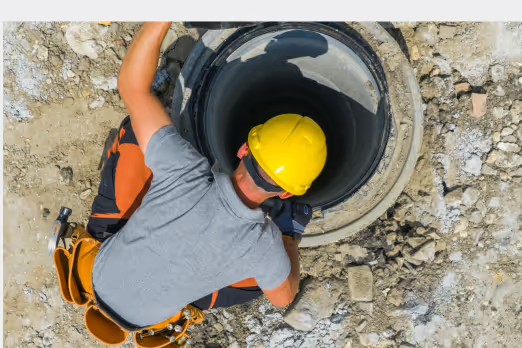


Manholes are indispensable elements of modern infrastructure, often overlooked but critical to the functionality of underground utility systems. These structures serve as access points for inspection, maintenance, and repairs, ensuring that essential services like water supply, sewer systems, telecommunications, and electricity continue to operate seamlessly.
Although they are a common sight in urban and industrial landscapes, manholes are far from one-size-fits-all. They come in various shapes, sizes, and designs, each engineered to meet the unique requirements of different applications. From facilitating the smooth operation of municipal sewer systems to providing secure access to electrical vaults, manholes play a vital role in maintaining the reliability and efficiency of our utility networks.
In this guide, we’ll dive into the most common types of manholes and their specific uses, highlighting their importance in infrastructure management. Whether you're involved in civil engineering, utility planning, or are simply curious about the unseen components that keep our cities running, this guide will provide a comprehensive overview of the role manholes play in ensuring safe and efficient operations underground.
1. Standard Utility Manholes
Standard utility manholes are the most common type, typically used for sewer, stormwater, and electrical systems. These manholes are designed for routine maintenance and inspection, with dimensions and structures standardized to accommodate tools, personnel, and equipment.
- Applications: Sewer pipelines, electrical conduits, and stormwater systems.
- Features: Generally circular, made of reinforced concrete, and equipped with a durable cover to withstand vehicular loads.
2. Shallow Manholes
Shallow manholes, also known as inspection chambers, are typically less than 1 meter deep. These are used in low-traffic areas or for smaller pipelines where access is required but full entry isn’t necessary.
- Applications: Residential drainage systems and light-duty utility networks.
- Features: Smaller size, lighter cover, and simpler design make them cost-effective and easier to install.
3. Deep Manholes
Deep manholes are constructed where utility lines run at significant depths, requiring robust construction and safety measures. They provide full access for maintenance crews and often include features like ladders or platforms for ease of use.
- Applications: Urban sewer systems and stormwater networks with deep pipelines.
- Features: Reinforced concrete construction, safety accessories like handholds, and larger openings for access.
4. Drop Manholes
Drop manholes are specially designed to accommodate a significant elevation difference between two connecting pipelines. These structures prevent high-velocity water flows from damaging the system by safely redirecting the flow downward.
- Applications: Sewage systems with varying gradients and areas where topography impacts flow levels.
- Features: Includes an internal or external vertical drop pipe to manage flow and minimize erosion.
5. Specialized Manholes
Specialized manholes are designed for unique applications, such as housing meters, valves, or junctions in utility networks. They may also include environmental features like venting for sewer gas management.
- Applications: Industrial zones, high-traffic areas, or environmentally sensitive sites.
- Features: Customizable designs, corrosion-resistant materials, and integration with monitoring equipment.
Conclusion
Manholes are a critical component of underground utility systems, serving as access points for inspection, maintenance, and repair. Their importance goes beyond mere functionality; the design, type, and material of a manhole can significantly impact the efficiency and longevity of infrastructure systems. From standard utility manholes to specialized designs tailored for specific environments or applications, understanding the various types and their unique features is essential for ensuring seamless operations.
Choosing the right manhole type for a given application not only streamlines maintenance processes but also enhances the safety of personnel and the overall reliability of the network. Proper selection and installation can lead to reduced long-term operational costs by minimizing the risk of system failures and optimizing resource allocation.
As urban areas continue to grow and infrastructure demands increase, the role of well-designed and strategically implemented manholes becomes even more pivotal. By staying informed about the latest innovations and best practices in manhole design and application, utility managers can better equip their systems to meet current and future challenges, ensuring resilient and sustainable underground networks for years to come.
Articles
.jpg)