
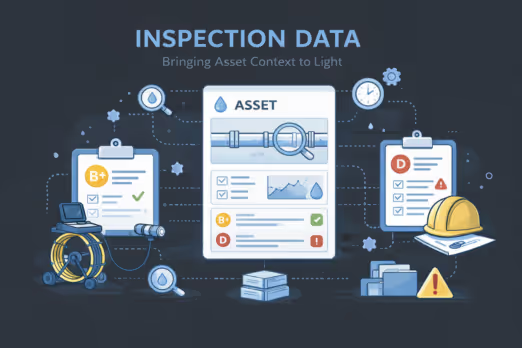
Inspection data is a point-in-time understanding of the condition of a pipe. How can we ensure we are making the right decisions about maintenance (or lack thereof) when we don’t have context of the asset history?
Impact
Pipe inspection data is used for both operational planning and capital planning within Water Utilities and Councils. For operational purposes, inspection data is usually taken at face value, and maintenance actions are taken to address any issues within the pipe that should be resolved in the short term. On the capital planning side, asset managers are challenged to choose between their degrading pipes on which assets need budget first to minimise risk within their network.
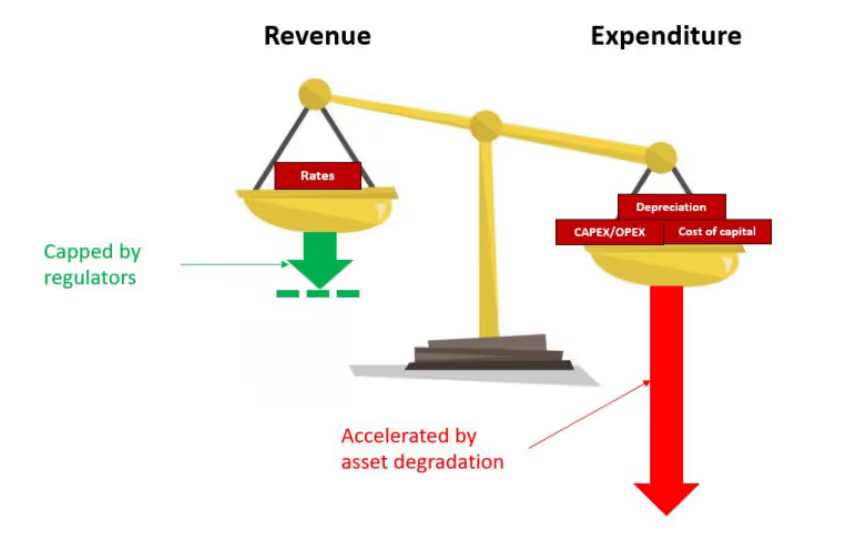
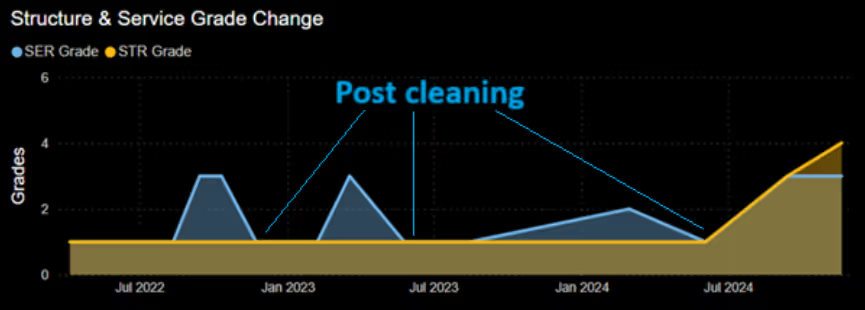
Without asset context, operational maintenance such as cleaning can slowly degrade the structural integrity of the pipe undetected, and capital expenditure could be going to assets that simply don’t need it. Adding asset condition history and asset consequence of failure can bring to light both of these scenarios.
The way forward
Typically inspection management tools are effectively work management tools, not catering to the level of asset intelligence needed for optimised decision making.
The first step – Asset & Inspection Split
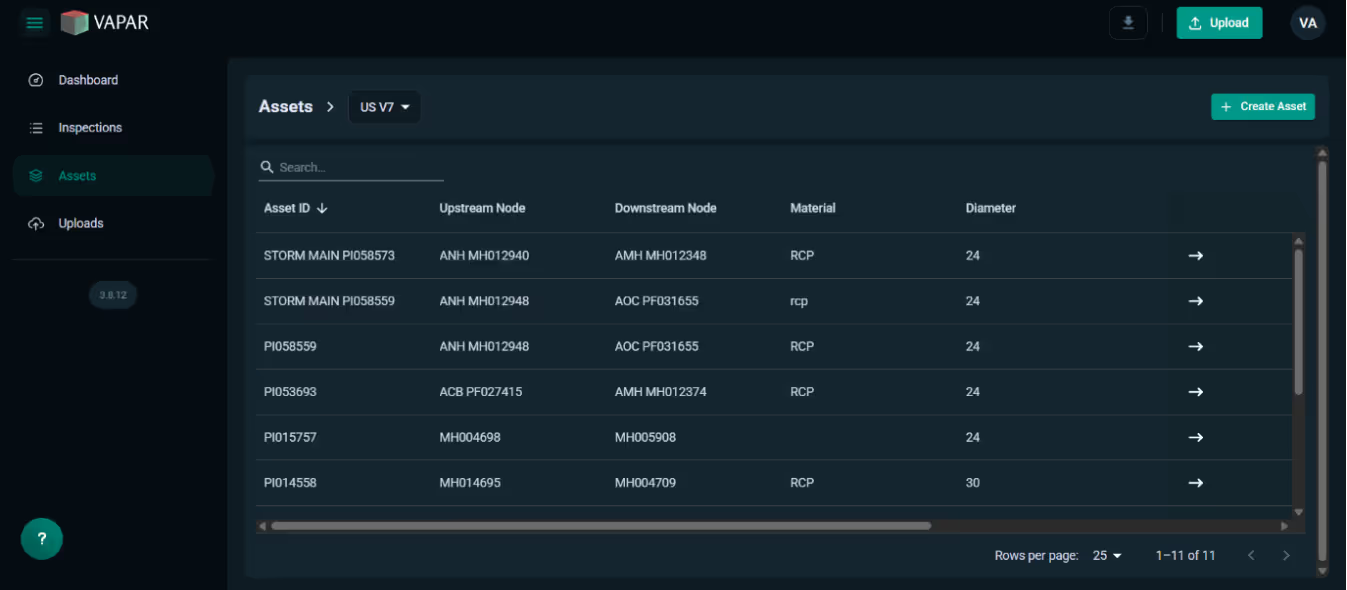
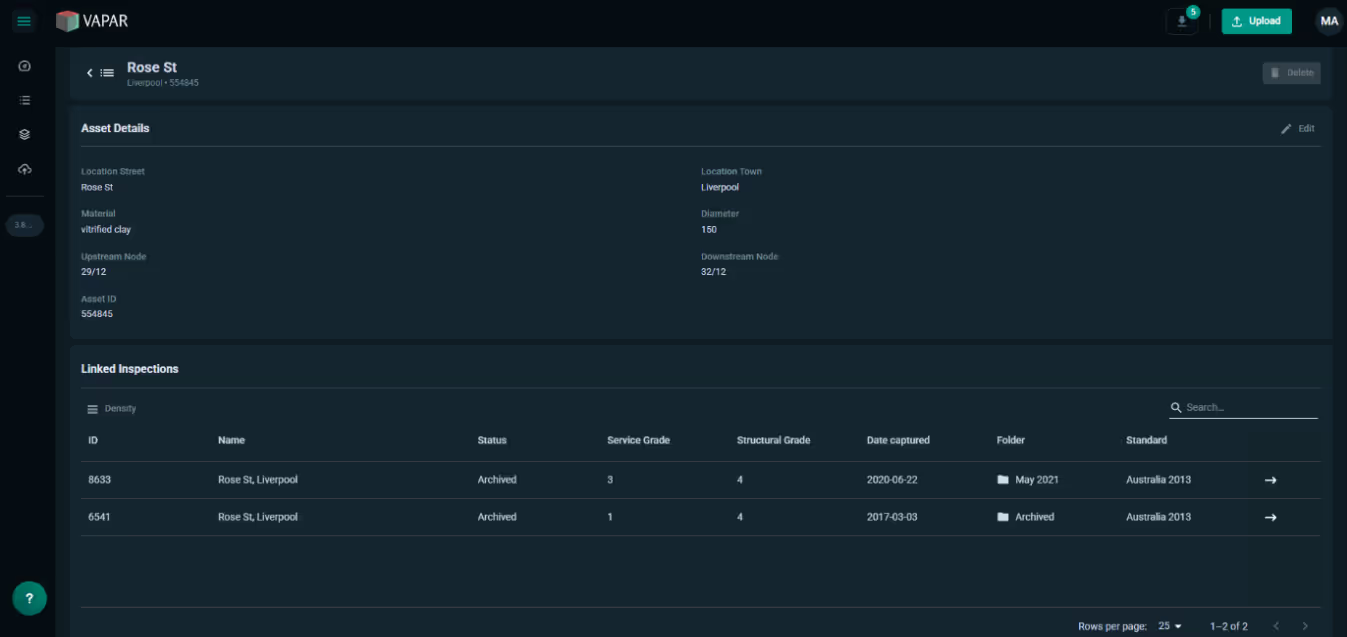
VAPAR has begun by identifying Asset data seperately from Inspection data and associating each inspection with an asset. Now when multiple inspections come in for the same asset, you can browse asset history within the VAPAR “Assets” page and compare defects and grades to understand degradation over time.
The second step – Asset Data Import
VAPAR recognises that it’s not possible to add all relevant asset data into an inspection, and contractors may be challenged with identifying asset IDs in the field. This information is very important for downstream processes such as mapping and decision-making. It is now possible for asset owners to import their Asset database into VAPAR to enable automatic asset matching on upload. This also improves data quality and prevents the need for significant data input from contractors in the field.
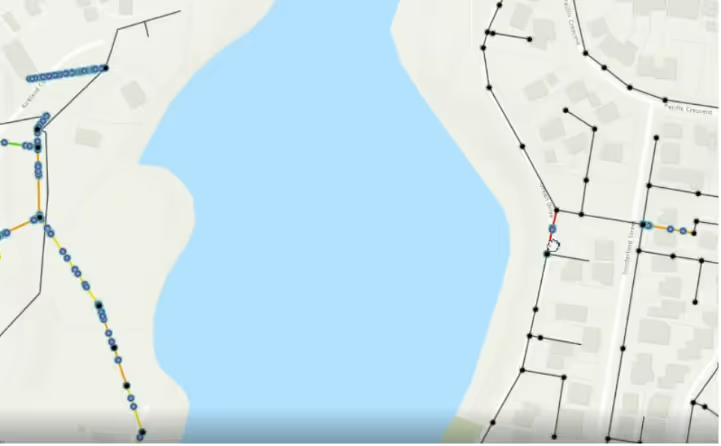
The 2 steps above help with existing and future inspections in VAPAR, however the historical data piece is still missing. VAPAR will soon allow for historic coded inspections to be imported into the system. Not only will this give a historic overview of pipe condition, but it will also allow asset owners to make decisions on their backlog inspections that have not yet been prioritised for works. In future this data will feed into both inspection and repair priority planning.
The outcome
Shifting away from an inspection centric approach allows us to bring forward asset context to make the right decisions within maintenance and capital budgets. It also allows for improved data quality, data accessibility and visibility over asset degradation.
Articles
.jpg)