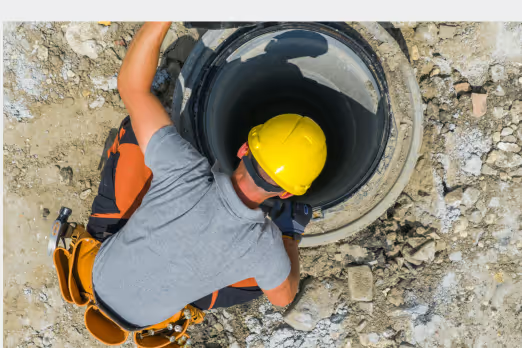

One of the most efficient ways to ensure the longevity and reliability of these assets is through routine sewer inspections. By proactively identifying potential issues before they escalate, organizations can not only protect their infrastructure but also significantly reduce operational costs. In this post, we will explore how regular sewer inspections play a vital role in improving asset management, minimizing expensive repairs, and ensuring a sustainable and cost-effective approach to maintaining sewer systems.
Top 3 Ways Routine Sewer Inspections Optimize and Enhance Infrastructure Performance
Early Detection of Potential Issues
Routine inspections allow for the identification of small problems, such as cracks or blockages, before they escalate into costly emergencies. Addressing minor issues early can prevent significant damage and expensive repairs. A prime example of this is Watercare’s proactive approach to their extensive pipe renewal program in New Zealand. Faced with aging infrastructure, Watercare initiated a proactive inspection and renewal strategy for their pipeline networks. By using advanced CCTV and trenchless technologies, they were able to identify weak points in their system, including small cracks and signs of corrosion, before they turned into major failures. This early detection allowed Watercare to prioritize repairs and replacements, ultimately reducing costly emergency interventions and improving overall system reliability.
Enhanced Infrastructure Performance
Routine sewer inspections significantly improve the overall performance and efficiency of sewer infrastructure by detecting issues early and preventing blockages and damage. Research supports that regular inspections not only reduce system failures but also enhance operational efficiency. For instance, a USA EPA publication emphasizes that routine inspection and maintenance reduce the occurrence of sanitary sewer overflows, improve flow efficiency, and lower environmental health risks.
Improved Budget Forecasting and Planning
Routine inspections provide reliable data on the condition of sewer systems, allowing for better budget planning. Asset managers can allocate funds more accurately, reducing the likelihood of unexpected expenses that strain the budget. A great example of this is Los Angeles County’s Sewer Maintenance District (SMD) Capital Improvement Plan (CIP), which utilizes routine CCTV inspections to guide long-term investment planning. This proactive approach allows the county to prioritize sewer upgrades and repairs based on current system conditions, rather than reactive, emergency responses. By leveraging data gathered from inspections, they ensure that capital expenditures are focused where they are most needed, reducing costly surprises and extending the lifespan of critical infrastructure.
Conclusion
Incorporating regular sewer inspections into your asset management strategy is a simple yet highly effective way to safeguard infrastructure and reduce long-term expenses. By identifying potential problems early, extending the lifespan of your systems, and minimizing costly emergency repairs, you can ensure that your sewer network remains reliable and efficient. Beyond cost savings, proactive inspections contribute to better resource allocation, improved community services, and compliance with regulatory standards. Investing in routine maintenance today means preventing major disruptions and safeguarding valuable assets for the future. Ultimately, regular sewer inspections are not just a maintenance task—they are a smart investment in the sustainability and longevity of your infrastructure.
Articles
.jpg)