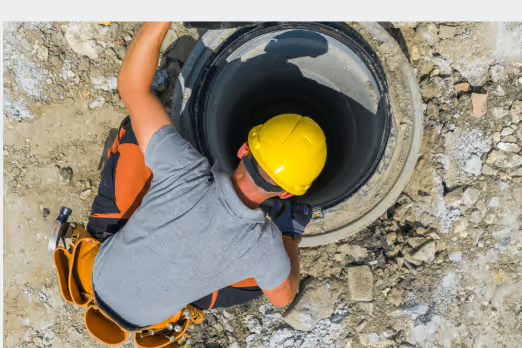

Effective long-term asset management requires a deep understanding of the health and performance of infrastructure systems, including sewer networks. Sewer inspections play a pivotal role in this process by providing vital data on the current condition of pipes, potential blockages, and structural integrity. Regular and proactive inspections not only ensure the smooth functioning of sewer systems but also help to extend the lifespan of these assets, minimizing costly repairs and reducing environmental risks.
How Sewer Inspections Protect Infrastructure Investments
For municipalities and utility companies, sewer systems represent significant investments. Over time, factors like aging infrastructure, environmental stress, and increased usage can degrade these systems. Sewer inspections allow asset managers to stay ahead of problems, identifying vulnerabilities like cracks, leaks, and blockages before they escalate. By maintaining a clear view of asset condition, these inspections help optimize maintenance schedules and ensure that costly emergency repairs are avoided.
Key benefits of proactive sewer inspections include:
- Early detection of potential problems such as cracks, leaks, and blockages.
- Minimized risk of emergency repairs that can be expensive and disruptive.
- Informed decision-making based on real-time data regarding the health of the sewer network.
- Protection of environmental and public health by preventing leaks that could contaminate water supplies or cause flooding.
In essence, inspections safeguard the investments made in sewer networks by enabling more informed decision-making and proactive intervention.
A good example of this is how Townsville City Council partnered with VAPAR to conduct proactive sewer inspections across its 1,200-kilometer network. By leveraging VAPAR's AI platform, the council identified over 9,500 defects, including cracks and blockages, enabling early detection and reducing the risk of costly emergency repairs. This data-driven approach allowed for informed decision-making and prioritized maintenance, ultimately protecting the council’s infrastructure investments and minimizing risks to public health and the environment.
Innovations in Sewer Inspection Technology
Technological advancements have revolutionized how sewer inspections are conducted. Tools like CCTV cameras, remote-controlled robots, and AI-powered data analysis have made it possible to conduct thorough inspections with minimal disruption. These innovations allow for precise detection of issues such as pipe misalignment, root intrusion, and structural defects.
New technologies driving the sewer inspection industry:
- CCTV camera inspections: Offering high-resolution views inside sewer lines, identifying structural issues, blockages, and intrusions.
- Robotics and drones: Allowing remote-controlled access to areas that are difficult to reach, reducing the need for human entry into hazardous spaces.
- AI-based data analysis: Enabling faster and more accurate interpretation of inspection data, predicting potential future failures, and generating detailed reports.

- Cloud-based platforms: Facilitating real-time data access and sharing, allowing for better coordination among maintenance teams and decision-makers.
These innovations provide asset managers with more accurate and actionable data, enabling them to make strategic decisions on repairs and upgrades.
Long-Term Benefits of Regular Sewer Inspections
The benefits of sewer inspections extend far beyond immediate problem detection. Over time, regular inspections help create a comprehensive historical record of the sewer system's performance and condition. This data is invaluable for planning long-term asset management strategies, ensuring that maintenance budgets are allocated efficiently, and that repairs are carried out at the most opportune times.
Key long-term advantages of regular inspections:
- Cost savings: By preventing major failures, regular inspections save municipalities and businesses from incurring high emergency repair costs.
- Increased asset lifespan: Early detection of minor issues prevents them from escalating, extending the operational life of sewer systems.
- Improved planning: With a clear view of the system’s condition, asset managers can prioritize and schedule repairs more efficiently.
- Regulatory compliance: Ongoing inspections help maintain compliance with environmental regulations and public safety standards.
- Sustainability: Reducing the risk of catastrophic failures contributes to environmental sustainability by preventing potential pollution and water damage.
Like how Bega Valley Shire Council collaborated with VAPAR to establish routine sewer inspections across its 700-kilometer network, leading to notable long-term advantages. Utilizing AI to identify potential issues early and maintaining a detailed historical record of sewer conditions allowed the council to lower emergency repair expenses, extend the operational life of its infrastructure, and enhance maintenance scheduling. This proactive strategy ensured compliance with environmental regulations and contributed to sustainability by preventing major system failures and environmental hazards (
Furthermore, inspections contribute to the sustainability of the system, helping to avoid catastrophic failures that could disrupt communities and harm the environment.
Conclusion
In conclusion, sewer inspections are an essential component of long-term asset management. By providing critical insights into the condition of sewer systems, they enable asset managers to take a proactive approach to maintenance, extend the lifespan of infrastructure, and optimize resource allocation.
In an era where aging infrastructure is a growing concern, regular inspections offer a practical solution to preserving the functionality and reliability of sewer networks for future generations. Maintaining a proactive inspection program is a long-term investment that will pay off by reducing unexpected failures, keeping public services running smoothly, and protecting valuable infrastructure.
Articles
.jpg)