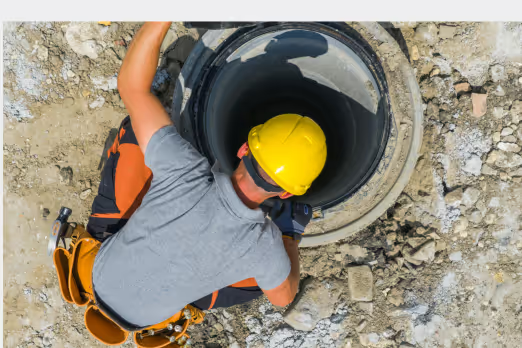

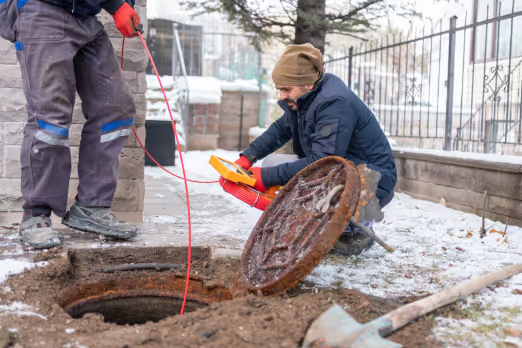
Manholes play a critical role in urban infrastructure, serving as access points to underground utilities like sewer systems and stormwater drains. Ensuring proper inspection and maintenance of manholes is essential for the safety, functionality, and longevity of these systems. In this blog, we will cover how you might establish inspection schedules, leverage modern technologies, address structural and inflow challenges, and adopt best practices for cleaning, safety, and proactive maintenance. By implementing these strategies, you can ensure the reliability and sustainability of urban infrastructure while minimizing risks and long-term costs.
Establish a Routine Inspection Schedule and Records
Routine inspections are the cornerstone of effective manhole maintenance. Depending on the location and usage, inspections should occur quarterly, semi-annually, or annually.
A study conducted by the American Society of Civil Engineers, as detailed in their comprehensive report in US EPA on sewer system maintenance and capacity management, highlights the critical importance of proactive strategies for sewer condition assessments and maintenance. The report emphasizes that effective management practices not only extend the lifespan of sewer infrastructure but also significantly reduce the risks of sanitary sewer overflows (SSOs) and environmental contamination. By leveraging advanced technologies and systematic inspections, municipalities can ensure regulatory compliance, safeguard public health, and optimize operational efficiency.
The EPA's "Sanitary Sewer Overflow (SSO) Control" document is a noteable example that outlines best practices and regulatory frameworks for managing sanitary sewer systems to prevent overflows and protect public health and the environment. It provides guidance on effective maintenance programs, capacity assurance plans, and the use of advanced monitoring tools. The document emphasizes the importance of proactive inspection, cleaning, and condition assessment to reduce the risk of system failures, while advocating for innovative technologies to streamline sewer management processes. These strategies not only help municipalities comply with environmental regulations but also optimize operational efficiency and extend the lifespan of critical infrastructure.
Consider Utilizing Modern Inspection Technologies
Adopting advanced technologies can improve the efficiency and accuracy of inspections. Tools such as:
- CCTV cameras: Offer detailed visuals of internal conditions.
- Laser scanning: Provides precise measurements and identifies structural deformations.
- Drones: Useful for inspecting manholes in hard-to-reach or hazardous areas.
These technologies reduce the need for manual entry, enhancing safety and data accuracy.

Inspect Structural Integrity
Assessing the physical condition of manhole components is vital. Inspectors should check for:
- Cracks or fractures in the walls and cover.
- Signs of corrosion, especially in metal parts.
- Displaced or misaligned covers that may pose safety hazards.
Promptly addressing these issues prevents further damage and reduces repair costs
and to ensure that all defect identification and reporting align with the applicable regional manhole coding standards to maintain consistency and compliance in your assessments
Monitor for Inflow and Infiltration (I&I)
Excessive inflow and infiltration can overwhelm sewer systems, leading to backups or overflows. During inspections, look for signs of water infiltration through:
- Loose or damaged seals.
- Gaps around the manhole cover.
- Cracks or leaks in the structure.
Implementing proper sealing and repairs can mitigate these problems.
A project in Bay City Michigan highlights how modern solutions can address challenges effectively. By employing advanced lining systems for manhole rehabilitation, the city restored structural integrity, minimized inflow and infiltration, and extended the asset's lifespan—all without the need for disruptive excavation. Such proactive approaches showcase how municipalities can harness technology and specialized materials to optimize infrastructure maintenance, saving time and resources while protecting their communities.
Prioritize Safety During Inspections
Safety should always be a top priority. Inspectors must adhere to confined space entry protocols, including:
- Using gas detectors to check for hazardous gases like methane or hydrogen sulfide.
- Wearing appropriate personal protective equipment (PPE).
- Ensuring proper ventilation and having rescue equipment readily available.
Conclusion
Effective inspection and maintenance of manholes are vital for the sustainability of urban infrastructure. By implementing these best practices, utilities and municipalities can ensure the reliability and safety of their systems while minimizing costly disruptions. Investing in regular inspections, modern technologies, and proactive repairs will not only protect public assets but also improve overall system performance.
Articles
.jpg)